
The Evolution of the Supercar Market: Investment Strategies and Industry Outlook 2026–2030
The global automotive landscape is currently undergoing its most significant shift since the assembly line. As we move into 2026, the supercar market has evolved from a simple pursuit of raw horsepower into a complex intersection of high-stakes financial investment, cutting-edge sustainability, and bespoke digital luxury. With a projected expansion of USD 11.93 billion by 2030 at a CAGR of 6.6%, this sector is no longer just about the thrill of the drive—it is about the strategic allocation of capital in an era of rapid powertrain transformation.
For the investor or the high-net-worth collector, understanding these shifts is critical. Whether you are eyeing a limited-run hybrid or evaluating the long-term appreciation potential of classic ICE (Internal Combustion Engine) models, the market dynamics of 2026 demand a sharper, more analytical approach.
Market Dynamics: What This Means for You
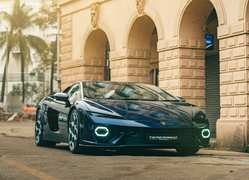
The “old guard” of the automotive world is being rewritten. Electrification is no longer a peripheral experiment; it is the core of supercar market performance. By integrating electric torque delivery, manufacturers have achieved acceleration benchmarks previously thought impossible.
However, the real story for you as a stakeholder is the shift in “value.” While traditional ICE models remain foundational—valued at over USD 21 billion in the early stages of this cycle—they are increasingly becoming “museum-grade” assets. If you are looking to park capital, the scarcity of naturally aspirated, high-displacement engines provides a hedge against inflation. Conversely, the rise of high-performance EV platforms offers a look into the future of tech-driven vehicle appreciation.
Should You Buy, Wait, or Invest?
This is the question I hear most frequently from my clients. My advice depends entirely on your intent:
For the Pure Investor: Look toward “one-of-one” commission vehicles or limited-run models that leverage advanced materials like forged carbon fiber. These units function like fine art; they are largely immune to standard market depreciation.
For the Enthusiast Buyer: If you are looking for a car to drive, the supercar market is currently offering the best “bang for your buck” in the hybrid segment. These vehicles provide the tactile engagement of an engine with the blistering, instant-on performance of electric motors.
The “Wait” Strategy: I would advise caution regarding mass-produced high-end performance cars. Until the charging infrastructure and long-term battery degradation statistics for ultra-luxury EVs are fully matured, these vehicles may see higher depreciation than their hybrid counterparts.
Cost Breakdown and Financial Impact
When evaluating the cost of ownership, the sticker price is only the beginning. In 2026, the supercar market is defined by a 15–20% increase in R&D costs passed down to the consumer due to regulatory compliance and complex hybrid architecture.
Consider this hypothetical case study:
Buyer A purchased a limited-run V12 ICE supercar in 2024 for USD 450,000. By 2026, due to extreme scarcity and emission restrictions limiting future production, the secondary market value has climbed to USD 575,000.
Buyer B invested in a high-tech electric hypercar for USD 500,000. While the performance is superior, the technological obsolescence cycle means the vehicle’s value is more closely tied to software updates and battery health, leading to a flatter appreciation curve compared to the scarcity-driven V12.
Mistakes to Avoid That Could Cost You Money:
Ignoring Homologation Risks: Importing a car that doesn’t meet local emission standards can lead to massive fines or, worse, a vehicle you cannot legally drive.
Disregarding Maintenance Costs: Modern high-performance EVs require specialized thermal management maintenance. Budget for this, as it is often double the cost of traditional service intervals.
Falling for “Hype” Specs: Don’t prioritize 0–60 times alone. Look at the brand’s history of resale value, the exclusivity of the production run, and the strength of the dealer network.

Best Financial Strategies Right Now (2026)
If you are navigating the current supercar market, focus on these three pillars:
Diversified Portfolio Approach: Don’t put all your liquidity into one vehicle. Balance your collection with one “heritage” ICE model (for long-term asset growth) and one “tech-forward” hybrid or EV (for current driving enjoyment and modern performance).
Utilize Asset-Backed Financing: Given the current interest rate environment, many investors are opting for specialized home loans or luxury asset financing to keep their liquid cash working in higher-yield investments like real estate or equity markets, rather than locking it all into a depreciating or stagnant luxury good.
Insurance Optimization: Insurance premiums for these vehicles are rising due to the cost of repairing complex sensors and carbon-fiber chassis. Work with boutique brokers who specialize in high-value asset protection to get a realistic view of the TCO (Total Cost of Ownership).
Regional Trends: Where the Market is Growing
While Europe remains the heart of the supercar market with over 30% of total growth, the APAC region is the fastest-growing frontier at a 7.8% rate. We are seeing a massive influx of “new money” wealth in regions like the UAE and China, where the demand for personalized, bespoke hypercars is currently outpacing supply.
For an American or European buyer, this means increased competition at auctions. If you have been waiting to secure a rare piece of automotive history, the window to acquire assets at “reasonable” prices is closing as global demand reaches new heights.
The Future: Performance Meets Sustainability
The integration of 800-volt architectures and synthetic fuels is the new baseline. Manufacturers are no longer trying to “hide” the electric components; they are celebrating them. As a buyer, you should prioritize vehicles that offer a “digital twin” monitoring system. This not only aids in resale documentation—proving the car was never abused on a track—but also keeps your asset optimized for future performance.
Final Expert Takeaways
The supercar market in 2026 is an environment of “selective excellence.” The days of buying any high-end badge and expecting a profit are over. Today, you must be a student of the industry: track the supply chain, understand the regulatory climate, and recognize the difference between a mass-market “luxury” car and a true investment-grade supercar.
If you are ready to explore your options, whether you are looking for refinancing on a current asset, exploring real estate investment opportunities to fund your next purchase, or simply want a professional comparison of the best options currently available on the market, now is the time to act.
Don’t wait for the next market shift to realize you missed an opportunity—compare the latest market rates and expert insights today to secure your place in the future of performance.