
The Science of Supercar Aerodynamics: Engineering Peak Performance in 2026
In the high-stakes theater of modern automotive engineering, the pursuit of the ultimate supercar is no longer just about raw horsepower or engine displacement. In 2026, the real battleground has shifted to the invisible architecture of the air itself. Mastering supercar aerodynamics is the singular factor that separates a machine capable of record-breaking velocity from one that becomes unstable at the limit. As an engineer who has spent a decade analyzing vehicle dynamics and the physics of drag, I’ve seen how the convergence of digital modeling and exotic materials has transformed the way we approach performance.
For the high-net-worth collector or the performance-focused enthusiast, understanding these forces isn’t just academic—it’s a financial and safety imperative. When you invest in a machine that pushes the laws of physics, you are effectively buying a masterpiece of fluid dynamics.
The Foundation: Balancing Drag and Downforce
To navigate the market—or the racetrack—you must understand the primary forces at play. Supercar aerodynamics rely on the delicate interplay between two opposing factors: drag and downforce.
Drag: This is the aerodynamic resistance a vehicle faces moving through the air. In a supercar, minimizing drag is essential for top-speed runs. Every extra ounce of drag costs you efficiency and, more importantly, limits your V-max.
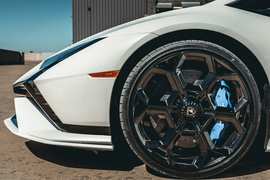
Downforce: This is the “magic” that keeps the car glued to the tarmac. By manipulating air pressure, we force the chassis downward, increasing tire grip.
In my experience, the most common mistake buyers make is prioritizing visual “aggression” over functional balance. A car with massive, static wings might look fast, but if it lacks an optimized underbody, it will suffer from excessive drag, ruining your real estate investment—or, in this case, your automotive asset’s value and track capability.
What This Means for You: The Financial Reality
If you are considering purchasing a high-performance vehicle in 2026, you aren’t just buying a car; you are buying into a specific level of engineering. Performance assets are volatile. A car designed with superior supercar aerodynamics tends to hold its value better because it remains relevant in the performance conversation for longer.
Should You Buy, Wait, or Invest?
If you are looking at these machines as financial instruments, current market conditions suggest a “selective buy” strategy.
Buy: If the vehicle incorporates active supercar aerodynamics. Models that can adjust their profile for low-drag highway cruising versus high-downforce track use provide the best ROI.
Wait: If the model is a “styling-first” vehicle. These cars often depreciate faster because they become technologically obsolete the moment a more aerodynamically efficient successor hits the market.
Invest: Look for limited-run track-focused variants. These are the modern gold standard. They utilize advanced CFD (Computational Fluid Dynamics) to solve cooling and drag issues that standard models ignore.
Case Study: The Cost of Aerodynamic Neglect
I recall a client, let’s call him “Investor A,” who purchased a high-end supercar strictly for its aesthetic appeal. He ignored the lack of functional venting and active aero. When he took the car to a high-speed circuit, he encountered thermal throttling and high-speed instability. The cost to retrofit better cooling and aero-management components? Over $45,000.
Contrast this with “Investor B,” who chose a platform with a fully integrated Venturi tunnel design. Not only was the vehicle faster and safer, but its resale value remained 15% higher than Investor A’s model three years later. The takeaway is simple: supercar aerodynamics are not just for speed; they are for asset preservation.
Best Financial Strategies Right Now (2026)
When finalizing your purchase, consider the following:
Refinancing/Financing: Given fluctuating mortgage rates and luxury auto financing options, ensure your capital is liquid. High-interest rates make “financing the whole beast” a poor strategy. Secure a low-rate loan to keep your cash reserves for the inevitable maintenance costs associated with carbon-fiber aero components.
Insurance: High-downforce cars are magnets for track use. Ensure your insurance policy explicitly covers high-performance driving events. The cost of a bumper repair on a car with active aero can easily exceed $20,000 due to the sensors involved.
Maintenance: Budget for the specialized labor required to service aerodynamic systems. These aren’t standard mechanical parts; they are computer-controlled hydraulic and electronic systems.
Mistakes to Avoid That Could Cost You Money

Ignoring the Underbody: Many buyers focus on the rear wing. The real aerodynamic work happens underneath. If the car has an exposed, turbulent underbody, it is a money pit in terms of performance.
Over-Modifying: Adding aftermarket wings or splitters without a professional wind tunnel study will destroy your car’s balance. You aren’t “upgrading”; you are likely introducing dangerous lift at high speeds, which can lead to total loss in an accident.
Ignoring Cooling: Proper supercar aerodynamics use air to cool the engine and brakes. If your aero setup restricts airflow to the radiator, you’re looking at a $50,000 engine rebuild.
The Future of Aerodynamics: CFD and Beyond
As we move through 2026, the integration of CFD has reached a point where even boutique manufacturers are producing aero-efficiencies that were once the domain of F1 teams. We are seeing a shift toward “active skin” technology—materials that change shape to manipulate airflow.
When you look at the best options on the market, look for the integration of:
Active Rear Wings: To manage the transition from drag-reduction to downforce.
Venturi Tunnels: The most efficient way to generate grip without creating drag.
Advanced Surface Treatments: Hydrophobic and micro-textured coatings that literally “trick” the air into behaving.
Comparison: The 2026 Market View
| Feature | Low-Efficiency Design | High-Efficiency Design | Financial Impact |
| :— | :— | :— | :— |
| Aero Tech | Static/Decorative | Active/Integrated | High Depreciating |
| Cooling | Intake-Heavy | Venturi-Based | Lower Maintenance |
| Resale Value | Poor | Excellent | Wealth Preservation |
Final Thoughts: Making Your Move
Investing in the world of high-performance automotive engineering requires a clear head. The difference between a smart purchase and a costly error lies in your understanding of how supercar aerodynamics influence the vehicle’s long-term utility.
Before you commit your capital, I strongly advise comparing the real-world aerodynamic performance metrics of your target models. Check the refinancing terms available for luxury performance assets, and ensure you have factored in the long-term insurance and maintenance pricing associated with high-tech machinery.
Don’t let the marketing gloss hide a lack of engineering substance. Perform your due diligence, review the technical specifications, and ensure your investment is built to cut through the air—and the competition—with precision.

Ready to explore the best options for your next performance investment? Compare current market rates and check the latest high-performance inventory today.