
The Engineering of Velocity: Mastering Supercar Aerodynamics in 2026
In the high-stakes theater of modern automotive engineering, the pursuit of the perfect supercar aerodynamics profile has become an obsession that rivals the development of the engines themselves. Ten years into my career evaluating performance machines, I have learned that while horsepower captures headlines, it is the manipulation of air that determines whether a car is a weapon on the track or a liability. As we move through 2026, the intersection of computational power and material science has elevated the importance of supercar aerodynamics to unprecedented heights, making it the primary differentiator between industry-leading performance and obsolete tech.
Whether you are an enthusiast tracking the latest hypercar releases or an investor looking at the appreciating value of limited-edition machinery, understanding how these cars manipulate air is vital.
Understanding the Physics: Drag vs. Downforce
At the core of vehicle performance are two competing forces: aerodynamic drag and downforce. Drag is the air resistance pushing against the vehicle, robbing it of top-end speed and fuel efficiency. Downforce, conversely, is the vertical load that pins the tires to the pavement.

In my decade of experience, I’ve seen many manufacturers chase top-speed numbers at the expense of stability. The goal in 2026 is “Active Equilibrium”—a state where the car sheds drag at 200+ mph on a straightaway but instantly generates immense downforce the moment it hits the braking zone for a corner. Getting this wrong doesn’t just mean a slower lap time; it leads to the high-cost repair bills that have sidelined many amateur enthusiasts on track days.
What This Means for You
If you are considering a high-performance purchase or investment, you aren’t just buying a chassis; you are buying an aerodynamic package. Modern supercar aerodynamics are designed to keep the car stable at speeds that would render an ordinary vehicle unstable. If you ignore the aerodynamic credentials of a vehicle, you are likely overpaying for a machine that fails to deliver its advertised performance metrics.
Should You Buy, Wait, or Invest?
If you are looking to enter the market in 2026, the landscape is shifting.
Buy: If you are eyeing internal combustion hypercars with proven track records (think late-model McLarens or Ferraris), the market for well-maintained, aerodynamically sophisticated vehicles remains a strong hedge against inflation.
Wait: If you are considering early-generation electric hypercars. We are seeing a massive shift in battery density and thermal management in 2026. The next eighteen months will likely see “aerodynamic-first” electric platforms that will make today’s offerings look heavy and inefficient.
Invest: Look for models that prioritize active aero. These features are complex and expensive to replicate, which drives up collector value over time.
Best Financial Strategies Right Now (2026)
When financing a high-end vehicle, avoid the “sticker shock” trap. Many buyers focus on the MSRP and forget the long-term cost of ownership.
Refinancing Opportunities: As interest rates stabilize in 2026, keep an eye on refinancing options if you have taken out a standard home loan or personal loan to fund a vehicle acquisition. Using your home’s equity to secure a lower-interest line of credit can save you thousands in interest charges compared to traditional auto financing.
Insurance Optimization: Do not bundle your supercar insurance with standard providers. High-performance vehicles require specialized insurance policies that account for track-use clauses and agreed-value coverage.
Real Estate Investment vs. Auto Investment: A common mistake I see clients make is pulling capital from a real estate investment to fund an impulsive vehicle purchase. Always perform a risk vs. reward analysis; the liquidity of a supercar is lower than a diversified portfolio.
Case Study: The Cost of Ignoring Aerodynamics
I once advised a client who purchased a modified 2023 GT-R variant. He spent $40,000 on an aftermarket body kit purely for looks. While the car looked “aggressive,” it completely ruined the factory-tuned balance. During a high-speed maneuver, the improper airflow induced “lift” rather than downforce. The resulting loss of control led to a collision with the guardrail. The cost? A $60,000 repair bill, a massive drop in resale value, and a denied insurance claim because the modifications were not disclosed.
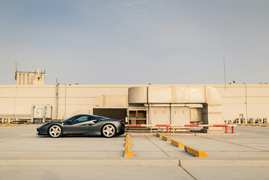
Lesson: In the world of supercar aerodynamics, form must follow function. Aesthetics that compromise the airflow are not just “un-cool”; they are expensive safety hazards.
Cost Breakdown: The Price of Performance
Engineers spend millions to optimize airflow. When you see a $300,000+ price tag, understand that a significant portion is tied to:
Wind Tunnel Development: Often costing upwards of $5,000 per hour.
CFD (Computational Fluid Dynamics) Licenses: Essential for 2026 standards, costing firms millions annually.
Advanced Materials: Using autoclave-cured carbon fiber to maintain rigidity under high downforce loads.
Mistakes to Avoid That Could Cost You Money
Ignoring Maintenance on Active Aero: Systems like active rear wings are high-maintenance. If a sensor fails, the car may default to a “safe” mode that limits top speed, ruining the driving experience.
Over-Modifying: Never install “wings” or splitters unless they have been tested in a wind tunnel. You are more likely to create drag and instability than actual grip.
Overlooking Insurance Costs: High-performance cars have high insurance premiums. Always run a quote before finalizing the deal.
2026 Trends: The Future of Aerodynamic Efficiency
As we move deeper into 2026, we are seeing the rise of “Ground Effect” integration—a technique once reserved for Formula 1—now becoming standard in consumer-facing supercars. By utilizing the entire floor of the vehicle to pull it toward the road, engineers are eliminating the need for oversized, drag-inducing spoilers. This results in a cleaner, more elegant car that is faster in the straights and stickier in the corners.
Conclusion
The science of supercar aerodynamics is a relentless pursuit of efficiency. Whether it’s through the use of Venturi tunnels, active flaps, or CFD-optimized body panels, the goal is always the same: to slice through the air while remaining firmly connected to the asphalt.
If you are ready to move from enthusiast to owner, remember that the best financial decisions are made with a clear understanding of the asset’s engineering value. Don’t let a beautiful exterior blind you to the underlying performance statistics. Evaluate your mortgage rates, optimize your real estate investment portfolio, and ensure you have the right insurance coverage before you step into the world of elite driving.

Are you ready to optimize your garage? Explore our latest comparison of 2026 high-performance vehicles and check the best financing options to ensure your next investment is as smart as it is fast.