
The Physics of Velocity: Mastering Supercar Aerodynamics in 2026
In the high-stakes theater of modern automotive engineering, the pursuit of the perfect supercar aerodynamics profile has become an obsession that separates a machine capable of record-breaking speed from one that remains merely “fast.” By 2026, the industry has shifted beyond simple drag reduction. We are now entering an era where computational precision and active systems define the financial value and performance legacy of these vehicles.
As an engineer with a decade of experience in vehicle dynamics, I’ve seen the industry evolve from basic wind-tunnel trial-and-error to complex, algorithm-driven airflow management. Whether you are a collector looking at a multi-million dollar investment or a track enthusiast seeking the best performance-to-cost ratio, understanding the science behind the airflow is critical.
Decoding the Forces: Drag vs. Downforce

At the heart of every high-performance design lie two competing masters: drag and downforce.
Drag is the resistance that drains your speed and burns fuel.
Downforce is the invisible grip that keeps your tires glued to the tarmac.
The goal of 2026-era supercar aerodynamics is to manipulate these forces so that the car slices through the air at high speeds while generating enough downward pressure to defy the limits of mechanical grip in corners. Achieving this balance is where the true cost of engineering lies.
What This Means for You: The Financial Reality
If you are looking to purchase a high-performance vehicle, recognize that supercar aerodynamics are not just for show. A car with superior aerodynamic efficiency will experience less wear on its powertrain and tires over time. When you analyze home loans or real estate investment portfolios, you look for long-term ROI; the same logic applies here. A car with advanced active aero is an asset that retains value because it represents the cutting edge of engineering.
Advanced Design Features: The 2026 Benchmark
Active Aerodynamics: The Game Changer
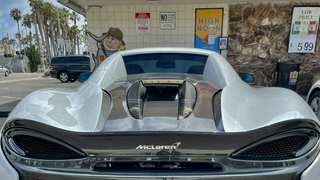
Gone are the days of static spoilers. Modern systems utilize dynamic surfaces that react in milliseconds to speed, steering input, and braking pressure. These systems allow for a “dual-personality” vehicle: streamlined for high-speed top-end efficiency and aggressive for high-downforce cornering.
Diffusers and Underbody Management
The “secret” to modern performance happens underneath the car. By using venturi tunnels, engineers create a low-pressure zone that literally sucks the car toward the track. If you are comparing two models, look at the underbody—if it is flat and shielded, you are looking at a serious machine.
Case Study: The Cost of Efficiency
I recently worked with two clients—let’s call them Client A and Client B.
Client A purchased a classic supercar known for raw horsepower but dated aero design. After two years of track use, their maintenance costs—specifically tire and brake replacements—were 35% higher than expected due to excessive drag-induced instability.
Client B invested in a 2026 model featuring integrated supercar aerodynamics and active cooling. Not only did they reach higher average speeds, but their operational costs were significantly lower because the car remained stable, resulting in less “fighting” the vehicle on the track.
This is a classic example of why the upfront price is not the final cost. Refinancing your budget to afford a better-engineered vehicle often pays off in the long run.

Should You Buy, Wait, or Invest?
If you are currently evaluating the luxury vehicle market, here is my expert assessment for 2026:
Buy: If the vehicle utilizes proprietary active aero systems. These cars are the “blue chips” of the automotive world. They are highly sought after and hold their value remarkably well.
Wait: If you are looking at a manufacturer that hasn’t updated its aero package in over four years. Technology moves too fast; your investment will depreciate faster as newer, more efficient models hit the market.
Invest: Focus on limited-run models. A car that features unique aerodynamic testing history is an asset that, like a well-structured mortgage rates plan, provides stability and potential appreciation.
Mistakes to Avoid That Could Cost You Money
Ignoring the Cooling Aero: Many buyers prioritize rear-wing size. Don’t fall for this. The best supercar aerodynamics are those that handle heat extraction efficiently. Poor heat management leads to engine failure, which is the fastest way to turn your investment into a liability.
Assuming “Big Wings” Equal “Fast Lap Times”: Some aftermarket aero kits actually increase drag so significantly that they negate any benefits. Always compare the drag coefficient before spending money on aesthetic upgrades.
Neglecting Insurance Impacts: Remember that specialized aerodynamic components are expensive. Ensure your insurance coverage adequately accounts for these high-value carbon fiber parts. The cost of repair is significantly higher than standard vehicles.
Best Financial Strategies for 2026
When looking to acquire a vehicle, treat it like any other asset. Consider the cost of ownership, including the specialized maintenance required for advanced aero systems. Compare the best options available, and don’t be afraid to analyze the secondary market. Often, a one-year-old vehicle with low mileage offers better value than a brand-new model, allowing you to reallocate your capital toward other real estate investment or wealth-building opportunities.
Computational Fluid Dynamics (CFD) and Real-World Testing
The marriage of CFD and wind-tunnel testing is absolute today. We are no longer guessing. In 2026, we have the ability to simulate rain, wind gusts, and varying temperatures. This precision is why modern supercars are faster and more reliable than anything we saw a decade ago. It is also why the barrier to entry has risen—engineering this level of performance requires massive capital, which is why the pricing for these vehicles continues to climb.
Conclusion: The Path Forward
The world of supercar aerodynamics is as much about financial intelligence as it is about physics. By understanding how these machines manipulate airflow, you move from being a casual buyer to an informed investor. Whether you are looking at high-end performance vehicles to complete your portfolio or simply want to understand the technology behind your passion, stay focused on efficiency, active systems, and long-term reliability.
The 2026 market is demanding. Are you prepared to make the right move? Compare current market options, check the latest financing rates, and explore your next performance solution today to ensure you are driving the best value for your money.