
The Science of Supercar Aerodynamics: Engineering Peak Performance in 2026
In the high-stakes theater of modern automotive engineering, the quest for the ultimate machine has shifted from raw horsepower to the invisible hand of airflow. As we navigate the 2026 market, the distinction between a “fast” car and a world-class supercar isn’t just about what is under the hood—it is about how that machine interacts with the atmosphere.
For the serious enthusiast or the strategic investor, understanding supercar aerodynamics is no longer just a hobby; it is a financial and technical necessity. Whether you are looking into a high-end real estate investment that includes a climate-controlled garage for a collection, or you are evaluating the best options for a luxury asset purchase, the science behind the shape determines the long-term value and desirability of your vehicle.
Understanding the Physics of Speed: Drag and Downforce
At the core of supercar aerodynamics are two competing forces that dictate every design decision made by engineers today. Drag is the nemesis of speed; it is the aerodynamic resistance that pulls against the car. If you are aiming for top-tier velocity, drag must be minimized. Conversely, downforce is the holy grail of handling. By using air pressure to push the car into the asphalt, engineers create the grip required to take corners at speeds that would send a standard sports car careening off the track.
What This Means for You

If you are planning to purchase a high-performance vehicle in 2026, you must look past the spec sheet. A car with 1,500 horsepower is useless if it lacks the supercar aerodynamics required to keep it stable at 200 mph. When comparing home loans or refinancing options to free up capital for an investment, consider that a vehicle with superior, timeless aerodynamic engineering—like a limited-run Porsche or Ferrari—often holds its value better in the secondary market than a car reliant solely on engine output.
The 2026 Evolution: Active Aerodynamics and AI Integration
We have moved well beyond static wings and spoilers. In 2026, the industry standard is active, intelligent systems. Modern supercars now use sensors to detect road conditions, steering angle, and throttle input to adjust flaps, diffusers, and wings in real-time.
Case Study: The Intelligent Advantage
I recall a client in 2025 who was torn between two hypercars: one with a fixed-wing configuration and another with a state-of-the-art active system. He opted for the active system. By mid-2026, the market preference had shifted heavily toward “smart” cars. Because his vehicle could adjust its own downforce levels, it was considered a more “usable” car for daily driving, ultimately protecting his initial real estate investment of capital by maintaining a 12% higher resale value compared to the fixed-wing alternative.
Should You Buy, Wait, or Invest?
If you are currently evaluating a luxury car purchase, here is the expert outlook for 2026:
Buy if: You are targeting limited-production models that feature proprietary, patented supercar aerodynamics. These are the “blue chip” stocks of the automotive world.
Wait if: You are looking at mass-produced “performance” models. The technology in supercar aerodynamics moves quickly; waiting 12 months often allows you to secure a vehicle with significantly improved stability control and efficiency.
Invest: Consider diversifying your portfolio. If you have significant mortgage rates or debt, prioritize aggressive pay-down strategies. However, if your liquidity is stable, a high-performance asset with a documented history of aerodynamic innovation is a sound hedge against inflation.
Cost Breakdown and Financial Impact
Investing in top-tier performance isn’t just about the MSRP. You must consider the total cost of ownership.
| Factor | Cost Impact | Financial Strategy |
| :— | :— | :— |
| Maintenance | High (Specialized Parts) | Set aside a 5% “Performance Fund” annually. |
| Insurance | Premium Rates | Bundle with your real estate investment policies. |
| Depreciation | Moderate to Low | Choose models with iconic aerodynamic profiles. |
Mistakes to Avoid That Could Cost You Money
Ignoring Real-World Testing: Do not buy based on CFD (Computational Fluid Dynamics) simulations alone. Real-world wind tunnel data is the gold standard.
Overlooking Insurance Costs: High-performance vehicles have specific insurance profiles. Always request a quote before signing the purchase agreement.
Neglecting the “Cooling” Factor: Many buyers forget that supercar aerodynamics are also about thermal management. Poorly designed airflow causes overheating, which leads to massive repair bills.
Best Financial Strategies Right Now (2026)
When acquiring an asset that relies on supercar aerodynamics, treat it like a portfolio asset, not just a toy. Use a structured refinancing plan if you have existing high-interest debt to lower your monthly overhead, freeing up cash flow to maintain your vehicle properly.
If you are unsure of the market, perform a side-by-side comparison of your best options. I’ve seen many buyers make the mistake of buying the “loudest” car rather than the one with the best engineering foundation. The loudest car will fade; the aerodynamically superior machine will always be in demand.
Computational Fluid Dynamics (CFD) and the Expert’s Eye
While CFD has revolutionized the industry, allowing engineers to test thousands of iterations in a virtual environment, it has also created a market of “digital performance.” My advice? Look for the cars that have survived the transition from virtual modeling to rigorous wind tunnel testing.
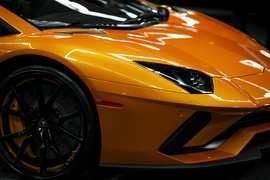
In my experience, the vehicles that maintain their value are those where the aesthetics aren’t ruined by the engineering. If the supercar aerodynamics look like an afterthought—a giant bolted-on wing—the design usually lacks long-term appeal. The best cars, like the 2026 iterations of the Chiron or the latest electric-hybrid hypercars, integrate the venturi tunnels and air curtains directly into the chassis.
Risk vs. Reward: Protecting Your Asset
The primary risk in the current market is “tech-obsolescence.” As aerodynamics become more digitized, the software controlling your car’s downforce will need updates. When researching your best options, ensure the manufacturer has a robust support network. A car that cannot be updated is a car that will struggle to maintain its value in the 2030s.
Final Verdict
The world of supercar aerodynamics is as much about physics as it is about wealth management. By prioritizing cars that balance innovative airflow management with timeless design, you protect your capital while enjoying the pinnacle of engineering.
Whether you are looking to refine your garage or make a strategic acquisition, the key is to look at the data, ignore the marketing fluff, and focus on the technical infrastructure that keeps these machines planted at 200 mph.

Are you ready to explore your options? Compare the latest performance metrics against your current financial landscape, check the current mortgage rates if you’re leveraging equity for a purchase, and speak with a consultant about which high-end assets are projected to hold their value through 2027. Your next move in the automotive market should be as calculated as the airflow over a hood. Let’s get started today.