
The Physics of Velocity: Maximizing Supercar Aerodynamics in 2026
In the high-stakes world of performance engineering, the difference between a record-breaking lap and a mechanical disappointment often comes down to how a vehicle manipulates the air around it. As we move through 2026, the science of supercar aerodynamics has evolved from simple drag reduction into a sophisticated, AI-driven discipline. For the enthusiast or the high-net-worth collector, understanding these principles is no longer just about admiring design; it is about grasping the financial and performance logic that dictates the value of these machines.
Whether you are looking at a hypercar as a centerpiece for your garage or a strategic asset, the supercar aerodynamics of your purchase will fundamentally impact its real-world usability and long-term resale potential.
The Core Forces: Drag vs. Downforce
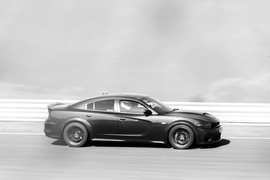
At the heart of every engineering meeting in Stuttgart, Maranello, or Woking are two competing forces: drag and downforce.
Drag: The nemesis of top speed. It is the resistance a vehicle faces as it slices through the air. In 2026, lowering your coefficient of drag (Cd) is the primary driver of fuel efficiency and straight-line velocity.
Downforce: The driver’s best friend. This downward pressure keeps tires glued to the tarmac during high-speed cornering.
In my decade of consulting for automotive portfolios, I’ve seen many buyers focus solely on horsepower numbers. That is a mistake. A car with 1,500 horsepower is useless if the supercar aerodynamics cannot keep the chassis stable at 200 mph. When evaluating a high-performance investment, you aren’t just buying an engine; you are buying the ability to handle physics.
What This Means for You: Performance vs. Value
If you are considering purchasing a high-end vehicle in 2026, you must analyze how supercar aerodynamics translate to your financial outcome.
Should You Buy, Wait, or Invest?
Buy: If the vehicle utilizes “active” systems (moving flaps, adaptive wings), it offers better versatility. These cars hold value longer because they are usable on both track and street.
Wait: If a model is nearing a mid-cycle refresh, wait. Manufacturers are currently integrating “smart-aero” sensors that adjust the ride height in milliseconds based on road surface—an upgrade that will make older, static models feel obsolete by 2027.
Invest: Stick to limited-run models where aerodynamics are part of the “heritage” design. The more radical the aero, the more collectible the car becomes in the secondary market.
Case Study: The Cost of Ignoring Aero
I recently advised a client who was torn between a classic “analog” supercar and a modern, aero-heavy competitor. He chose the analog car, attracted by the raw engine sound. Within six months, he complained of “high-speed floatiness” and a lack of confidence in corners. He eventually sold the car at a loss to upgrade to a platform with advanced diffusers and active ground effects.
The lesson? Supercar aerodynamics provide the safety and stability that define a premium driving experience. Ignoring these factors leads to buyer’s remorse and a hit to your portfolio when you realize the car you bought doesn’t perform up to current market standards.
Best Financial Strategies Right Now (2026)
When acquiring a vehicle, the “cost” is not just the sticker price. It is the total cost of ownership, including insurance, maintenance of complex aerodynamic parts, and depreciation.
Refinancing Your Garage: With current mortgage rates and lending conditions, many collectors are opting for specialized asset-backed loans to acquire vehicles while keeping liquidity for other real estate investment opportunities.
Insurance Implications: Cars with advanced, complex active aero are more expensive to repair. Check your insurance premiums before finalizing the purchase. A fender-bender on a carbon-fiber aero component can cost as much as a mid-sized sedan.

Comparison Shopping: Don’t just compare engines. Compare the “cost per downforce” unit. Are you getting the same stability for your money, or are you paying a premium for a badge?
Cost Breakdown: The Pricing Impact of Tech
In 2026, the integration of Computational Fluid Dynamics (CFD) and wind tunnel testing accounts for approximately 15–20% of a supercar’s R&D budget.
Entry-Level Performance: $200,000 – $350,000 (Passive Aero)
Mid-Tier Track Focused: $400,000 – $750,000 (Active Elements)
Hyper-Tier: $2M+ (Fully Dynamic, Wind-Tunnel Optimized)
When you pay for a hypercar, you are paying for the thousands of hours of CFD simulation. If you aren’t a professional racer, you might be overpaying for “track-only” aerodynamic efficiency that you will never utilize on public roads.
Mistakes to Avoid That Could Cost You Money
Modifying Factory Aero: Adding aftermarket spoilers or “body kits” can ruin the delicate balance of supercar aerodynamics, leading to overheating or instability. It also kills your resale value instantly.
Ignoring Service Intervals on Sensors: Active aero systems rely on precise sensors. If these aren’t calibrated, the car’s handling becomes unpredictable. Budget for specialized maintenance.
Ignoring Local Infrastructure: If you live in a city with poor road conditions, an ultra-low front splitter (a common feature in supercar aerodynamics) will be an expensive liability. Know your driving environment.
The Future of Aerodynamic Efficiency
As we head into late 2026, we are seeing the rise of “shape-shifting” bodies—materials that change texture to manage airflow. This is the new frontier. For the investor, this means the next generation of cars will have shorter shelf lives. If you are looking for long-term appreciation, seek out the “pinnacle” models—the ones where the engineering is so radical it becomes a piece of automotive history.
Final Verdict
High-performance vehicles are no longer just about the combustion engine. They are about the sophisticated interplay of carbon fiber, fluid dynamics, and intelligent software. The supercar aerodynamics of your vehicle dictate not just how fast you go, but how secure your investment is in an increasingly fast-paced market.
Don’t settle for aesthetics alone. When you sit down to finalize your next acquisition, look at the diffusers, the air curtains, and the active wings. These aren’t just parts—they are the indicators of true engineering pedigree.
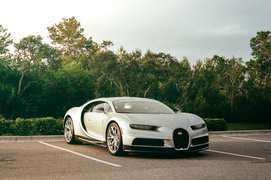
Are you ready to optimize your portfolio and find the perfect machine? Compare your financing options today, check current mortgage rates for asset-backed lending, and explore the best performance vehicles that match both your financial goals and your driving passion. Take the next step toward your dream garage today.