The Future of the Supercar Market: Investment Strategies and Industry Outlook 2026–2030
The global automotive landscape is currently undergoing a radical metamorphosis. As we look toward the horizon of 2026, the supercar market is no longer just about raw horsepower or the visceral scream of a V12 engine. It has evolved into a high-stakes arena where cutting-edge electrification, sustainable luxury, and digital integration dictate value. With a projected growth of USD 11.93 billion and a compound annual growth rate (CAGR) of 6.6% through 2030, this sector is presenting unique opportunities for high-net-worth investors and enthusiasts alike.
Having spent a decade analyzing luxury automotive trends, I have seen the shift from mechanical purity to “performance intelligence.” Whether you are a collector looking to hedge against inflation or an investor eyeing the supercar market for potential growth, understanding the technical and financial nuances of this shift is paramount.
The Financial Shift: What This Means for You

The transition toward high-performance electric vehicles (EVs) and hybrid powertrains is not just an environmental mandate; it is a financial one. Manufacturers are pouring billions into 800-volt architectures and carbon-fiber light-weighting to maintain that critical power-to-weight ratio.
For the buyer, this means a shift in “asset grade” status. Traditional internal combustion engine (ICE) models are becoming increasingly rare, often transitioning into “legacy assets” with appreciating value, while new-era hybrid and electric supercars are being positioned as technology-heavy investments that prioritize performance metrics over simple nostalgia.
Should You Buy, Wait, or Invest?
If you are currently deliberating on entering the supercar market, here is the reality of the 2026 landscape:
Buy: If you are chasing a limited-run, naturally aspirated supercar, the time to buy is now. As regulatory pressures tighten, the scarcity of these analog machines will only drive secondary market prices higher. They are increasingly treated like fine art—tangible assets that provide joy and potential capital appreciation.
Wait: If you are interested in the latest EV-based supercars, wait for the secondary wave of software-defined vehicles. We are currently in the “early adopter” phase where battery cooling tech and thermal management systems are evolving rapidly.
Invest: Consider firms that are vertically integrating their supply chains for specialized materials like forged carbon fiber or high-density battery cells. These companies are shielded from the volatility currently affecting the broader supercar market.
Cost Breakdown and Financial Implications
Understanding the pricing structure of a modern supercar involves more than just the MSRP. In 2026, the cost is heavily influenced by the “bespoke premium.”
| Component Category | Price/Cost Impact | Strategic Consideration |
| :— | :— | :— |
| Powertrain Innovation | +15% to 25% | Hybrid systems require specialized, high-cost maintenance. |
| Bespoke Customization | +20% to 40% | Essential for long-term resale value (the “one-of-one” effect). |
| Advanced Material Science | +10% | Carbon fiber/3D-printed parts reduce weight but increase repair costs. |
| Luxury Consumption Tax | Variable by region | Always factor in local tax, especially in the US and EU markets. |
Case Study: The Collector’s Dilemma
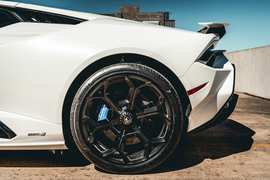
I recently advised a client who was torn between a 2023 limited-edition V12 coupe and a 2026 high-performance hybrid. The client chose the V12 for its “investment-grade” potential. Within 18 months, the V12’s valuation rose by 12% due to its status as the “last of the line,” while the hybrid, despite being faster, saw a standard depreciation curve. The lesson? If your goal is wealth preservation, prioritize heritage and mechanical rarity. If your goal is performance and daily usability, go for the hybrid/EV.
Best Financial Strategies for 2026
To navigate the supercar market profitably, you must act with precision:
Prioritize “Investment-Grade” Specs: When ordering from the factory, opt for heritage colors, manual transmissions (if available), or track-focused packages. These specs act as a hedge against market dips.
Monitor Regional Opportunities: While Europe remains the heart of the supercar market, the APAC region is growing at 7.8% annually. Wealth distribution shifts mean that liquidity in the collector market is increasingly global.
Lease vs. Buy Considerations: For high-end models, explore specialized home loans or luxury asset financing. Some buyers leverage mortgage rates or portfolio-backed lines of credit to keep cash liquid for other real estate investments while securing a high-performance vehicle.
Avoid the “Tech-Obsolete” Trap: Beware of buying early-generation high-performance EVs that lack over-the-air (OTA) update capabilities. Just like a computer, an EV supercar with outdated software is a depreciating liability.
Mistakes to Avoid That Could Cost You Money
In my experience, the biggest mistakes collectors make are:
Neglecting Storage Costs: These are not just cars; they are assets. Proper climate-controlled storage and specialized insurance are non-negotiable. Skipping these can result in a 20% loss in value due to battery degradation or paint issues.
Over-customization: While bespoke interiors are great, extreme “wild” customization can limit your future buyer pool. Stick to “tasteful exclusivity.”
Ignoring Service Contracts: The cost of servicing a hybrid powertrain with advanced torque vectoring is significantly higher than a standard luxury vehicle. Factor in a 5-year maintenance budget before purchase.
The Future Outlook: 2026 and Beyond
The supercar market will continue to favor brands that can balance “ethical luxury” with adrenaline. We are seeing a rise in the use of sustainable materials and synthetic fuels, which might extend the life of the combustion engine for another generation. However, the true winners will be those manufacturers who successfully integrate digital ecosystems—allowing owners to “upgrade” their car’s performance via software, effectively slowing the rate of physical depreciation.
As you look toward your next acquisition, remember that the supercar market is a reflection of global economic sentiment. When interest rates fluctuate, luxury spending often pivots toward “blue-chip” models with proven provenance. Whether you are looking for the best refinancing options for your current assets or seeking the right real estate investment to pair with your garage, treat your supercar as part of a diversified wealth portfolio.
Ready to evaluate your next move?
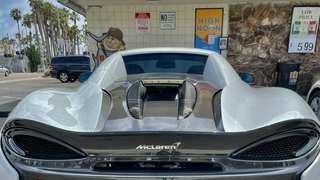
Whether you are a seasoned collector or a first-time investor, the landscape requires a sharp eye. I recommend you compare your financing options, consult with a specialist on current insurance premiums for high-value assets, and explore the latest market data to ensure your next purchase is as much a financial victory as it is an exhilarating drive. Reach out to our experts today to analyze the best opportunities currently available in the supercar market.