
The Evolution of the Supercar Market: Investment Strategies and Growth Outlook (2026–2030)
The automotive landscape is undergoing its most radical transformation in a century. As we look toward the 2026–2030 period, the supercar market is no longer just a playground for mechanical purists; it has become a sophisticated theater of high-stakes technology, electrification, and investment-grade asset management. With the global sector projected to expand by USD 11.93 billion, growing at a CAGR of 6.6%, the definition of the “ultimate driving machine” is shifting beneath our feet.
In my decade of tracking the high-performance automotive sector, I have watched the transition from raw, naturally aspirated power to the nuanced complexity of hybrid and electric powertrains. For the buyer, investor, or enthusiast, this transition represents a unique intersection of risk and reward. Understanding the supercar market today requires looking past the horsepower figures and into the boardroom strategies, supply chain realities, and the evolving psychology of the ultra-high-net-worth (UHNW) individual.
The Financial Landscape: What This Means for You
If you are currently evaluating a purchase or an investment, you are operating in a market where technology is the primary driver of value. The traditional internal combustion engine (ICE) remains a sought-after commodity, particularly among collectors who fear that regulatory pressure will render these mechanical masterpieces obsolete.
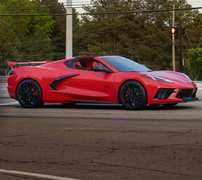
However, the rapid adoption of hybrid and fully electric powertrains is not just about environmental compliance; it is about performance superiority. The integration of high-density battery cells and sophisticated thermal management allows for torque delivery that makes even the most capable traditional engines seem sluggish in low-speed scenarios.
What This Means for You
For the prospective owner, this suggests a bifurcated strategy. If your intent is long-term appreciation, “analog” supercars—those with limited production, naturally aspirated engines, and manual transmissions—remain the gold standard for real estate investment style asset holding. Conversely, if your goal is the absolute cutting edge of performance, the current batch of high-performance EVs and hybrids represents the new “best options” for technology-driven engagement.
Should You Buy, Wait, or Invest?
The question I hear most often is: “Is now the right time to buy?”
Buy if: You are looking for a limited-run model from a heritage manufacturer. The scarcity of materials like forged carbon fiber and the logistical complexity of manufacturing mean that supply will remain constrained, keeping resale prices resilient.
Wait if: You are chasing the “next big thing” in EV performance. We are currently seeing a cycle of rapid innovation; the battery tech available in 2026 will likely be significantly outclassed by 2028.
Invest if: You are targeting vehicles that combine historical design significance with hybrid-boosted power. These are the models currently attracting the most attention from private collectors.
Best Financial Strategies Right Now (2026)
When dealing with assets of this magnitude, the financial strategy is as important as the vehicle choice. Many buyers are leveraging low-interest home loans or specialized luxury vehicle financing to preserve their liquid capital for other high-yield real estate investment opportunities.
Case Study: The Two Buyers
Buyer A purchased a mass-produced “exotic” at MSRP. Within 24 months, due to depreciation and increased market supply, the vehicle lost 15% of its value.
Buyer B focused on a bespoke, limited-edition hybrid model. By utilizing a refinancing strategy on their primary assets to secure a low-rate loan for the vehicle, they kept their investment portfolio intact while the supercar’s value remained stable due to its status as a “future classic.” Buyer B gained an asset that appreciated, whereas Buyer A suffered a capital loss.
Mistakes to Avoid That Could Cost You Money
Ignoring Maintenance Costs: The price of ownership goes far beyond the sticker price. Advanced systems like carbon ceramic brakes and complex hybrid batteries require specialized, high-cost servicing that can cripple your budget if not accounted for.
Overlooking Insurance Costs: High-performance vehicle insurance premiums are rising in correlation with repair costs. Before committing, compare quotes; a vehicle with proprietary 3D-printed parts will be significantly more expensive to insure than one with standard structural components.
Failing to Verify Provenance: In the supercar market, documentation is money. Always ensure your vehicle comes with a full service history and verification of its limited-edition status.

Market Dynamics: Supply, Demand, and Innovation
The growth of the supercar market is heavily influenced by the expansion of UHNW populations, particularly in the APAC region, which is seeing a 7.8% growth rate. As these buyers demand more personalization, manufacturers are shifting toward “coachbuilding” and bespoke commission programs.
Technologically, the industry is fighting a war on two fronts:
Light-weighting: Utilizing advanced materials like forged carbon fiber to offset battery weight is no longer optional; it is the fundamental requirement for maintaining the power-to-weight ratio that defines the segment.
Digital Ecosystems: Virtual ownership models and digital twin diagnostics are becoming standard. These aren’t just gadgets—they are tools that reduce diagnostic downtime by up to 30%, which is a massive value-add for the owner.
Cost Breakdown and Pricing Trends
The “cost” of entering this market has never been more fragmented. You are essentially paying for three things:
Brand Heritage: The premium paid for the badge.
R&D Innovation: The cost of the hybrid architecture and ADAS integration.
Exclusivity: The limited production run premium.
While entry-level supercars remain relatively accessible, the “hypercar” segment—where the real long-term value lies—requires an initial investment that continues to climb. When you consider the long-term cost versus residual value, the “cheapest” vehicle is often the one that maintains the most exclusive production numbers.
Expert Insight: The Road Ahead
In my experience, the most successful market participants are those who treat the supercar market not as a consumer goods space, but as a luxury asset class. We are seeing a shift where “performance” is being redefined. It is no longer just about 0-60 times; it is about the “bespoke experience.” The ability to customize a vehicle to reflect personal brand identity is what drives the current, record-high demand.
If you are looking to enter or adjust your position in this space, start by conducting a thorough comparison of current hybrid models against the remaining ICE flagships. Look for models that offer high-revving engines paired with modern, future-proofed tech suites.
The market is maturing, and with that maturity comes more sophisticated opportunities for the savvy enthusiast. Whether you are seeking a daily-drivable hypercar or a cornerstone for your collection, the key is to prioritize assets that bridge the gap between mechanical history and technological progress.
Are you ready to optimize your garage or investment portfolio?

Don’t navigate this complex sector alone. We recommend starting with a professional comparison of the latest performance data and financing terms. Contact our advisory team today to discuss your next acquisition, check the latest available mortgage rates or asset-backed loan options, and secure your place in the future of the supercar market.