
The Science of Supercar Aerodynamics: Engineering Peak Performance in 2026
In the high-stakes theater of modern automotive engineering, the pursuit of the ultimate supercar is no longer just about horsepower; it is a relentless battle against physics. As we move through 2026, the threshold for what defines “peak performance” has shifted. Today, the supercar isn’t just an engine on wheels; it is a meticulously sculpted aero-machine where every square millimeter of bodywork dictates the difference between a record-setting lap and a dangerous loss of traction.
After a decade of watching the market evolve from analog track toys to hyper-connected, AI-driven speed machines, I’ve seen the same fundamental truth hold firm: you can add all the torque in the world, but if your supercar aerodynamics aren’t dialed in, you’re just carrying expensive weight.
Understanding the Core Forces: Drag vs. Downforce

At the intersection of speed and stability lie two primary forces: drag and downforce. Drag is the air resistance acting against your supercar, effectively acting as a barrier to top-end speed. Downforce, conversely, is the vertical force pushing the car into the tarmac.
In my experience, amateur enthusiasts often misunderstand this balance. They see a massive rear wing and assume “more grip.” But in 2026, real performance comes from efficiency. You want the highest possible downforce with the lowest possible drag penalty. If you are looking to invest in a supercar or a high-end track vehicle, you aren’t just buying paint and leather; you are buying a complex aerodynamic profile that has been refined through thousands of hours of simulation.
The 2026 Tech Stack: How We Optimize Performance
Modern supercar design relies heavily on three pillars: active aerodynamics, underbody management, and computational modeling.
Active Aerodynamics
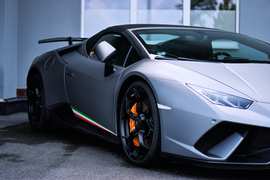
Gone are the days of static wings. The current standard involves real-time adjustment—flaps, spoilers, and intakes that move in milliseconds. Whether you are hitting a tight apex or accelerating on a straightaway, your supercar is constantly reshaping itself to minimize drag while maximizing cornering stability.
Underbody Engineering
The magic happens where you can’t see it. By utilizing aggressive rear diffusers and Venturi tunnels, manufacturers create a low-pressure zone beneath the supercar. This “sucks” the vehicle to the pavement without the massive drag penalty of a giant rear wing. If you are comparing two models, look at the underbody—the cleaner and more sophisticated the floor, the more engineering budget was spent on true, high-speed stability.
CFD and Wind Tunnel Validation
By 2026, Computational Fluid Dynamics (CFD) has become hyper-accurate. However, I tell my clients: never trust a computer alone. The best manufacturers still lean on full-scale wind tunnel testing. It is the only way to account for real-world variables like turbulent air coming off other vehicles.
What This Means for You: Making Financial Sense of Performance
Investing in a supercar is a massive financial commitment. With interest rates fluctuating and the market for exotic vehicles shifting, you need to be smart about where your money goes.
Should You Buy, Wait, or Invest?
If you are eyeing a top-tier supercar as an investment, look for models with “aero-heritage”—vehicles where the aerodynamic features were groundbreaking for their time. These are the models that hold value. If you are buying for the track, prioritize the car’s chassis-balance and aerodynamic tunability over raw horsepower.
Case Study: I recently advised a client choosing between a 2024 model and a 2026 refresh of a well-known supercar. The 2026 model had an upgraded active-diffuser system. While the engine output was nearly identical, the 2026 model’s ability to manage airflow meant it was two seconds faster on a standard 3-mile circuit. The client chose the 2026 model because it provided a tangible “performance per dollar” advantage.
Best Financial Strategies for 2026
If you are currently looking to finance or acquire a vehicle, consider these strategies to optimize your capital:
Mortgage Rates vs. Auto Loans: Don’t tie up your liquidity in a high-interest auto loan if you can leverage equity in other assets. Compare mortgage rates and current home loans refinancing options to see if you can pull out cash to make a cash offer on a supercar, which often grants you significantly more leverage with dealerships.
Cost Breakdown & Pricing: Beyond the sticker price, factor in the “aerodynamic maintenance.” High-end carbon fiber splitters and active aero motors are expensive to replace. Budget for a 15–20% premium on parts compared to standard luxury vehicles.
Insurance: High-performance machines carry high-performance premiums. Always get a quote for insurance based on your specific driving habits and track usage before signing the paperwork.
Mistakes to Avoid That Could Cost You Money
Buying for the Specs, Not the Engineering: Don’t chase the highest horsepower number. A car with 1,200hp that isn’t aerodynamically balanced will feel like driving on ice at speed. That’s a recipe for a costly accident and a total loss of investment.
Ignoring Depreciation Curves: Supercars with “gimmicky” aero that will look dated in two years depreciate faster. Stick to functional, integrated designs.
Forgetting Total Cost of Ownership: I’ve seen many buyers fail to account for the specialized tire and brake requirements necessitated by aggressive aerodynamic downforce. These consumables can cost thousands of dollars per track day.
A Balanced View on Real-World Performance
In my ten years in this industry, I’ve seen many buyers make the mistake of choosing a supercar based solely on its aesthetic. While the visual impact is undeniable, the most satisfying ownership experiences come from cars that perform as intended. If you want a weekend warrior that won’t lose half its value, look for the balance between form and function.
The Verdict: How to Proceed
The market in 2026 is data-driven. When you compare best options, look beyond the glossy brochure. Ask about the drag coefficient, the peak downforce generated at 150mph, and how the active systems translate into real-world handling.
Whether you are looking to purchase, lease, or simply explore the market, ensure you are making a decision based on the totality of the vehicle’s engineering. The best financial strategy is always to buy the car you actually want to drive, but to ensure that the math supports the passion.

Ready to find the right match for your garage? Compare the latest supercar financing rates, research current insurance pricing for high-performance vehicles, and explore professional market valuations to ensure you’re making a move that pays off in both performance and long-term equity.