
The Physics of Velocity: Mastering Supercar Aerodynamics in 2026
In the high-stakes realm of automotive engineering, where the margin between triumph and obscurity is measured in milliseconds, supercar aerodynamics stands as the definitive frontier. As we navigate through 2026, the pursuit of peak performance is no longer just about raw horsepower; it is about how effectively a machine manipulates the invisible fluid of air. Whether you are a collector looking at real estate investment vehicles or an enthusiast seeking the best options for track performance, understanding how these machines interact with the wind is paramount to protecting your asset and maximizing its potential.
The Dual Mandate: Drag vs. Downforce
At the core of professional vehicle development lie two competing physical forces: drag and downforce. In my ten years of evaluating high-performance machines, I have found that most buyers overlook the nuance of this balance.
Drag is the aerodynamic resistance your vehicle faces, acting directly against your forward velocity. Lowering drag is the “holy grail” for top-speed records. Downforce, conversely, is the vertical pressure pushing the car into the asphalt, which is essential for grip during high-speed cornering and aggressive braking.

The most successful 2026 models master this dichotomy. If you have too much downforce, you sacrifice top-end speed and fuel efficiency; too little, and you are effectively driving a rocket that cannot turn. The supercar aerodynamics of the current generation rely on dynamic modulation to resolve this, ensuring that the car feels planted on a mountain pass while remaining slippery enough to hit velocity targets on a straightaway.
What This Means for You
If you are considering a high-end vehicle purchase in 2026, you must realize that supercar aerodynamics are not merely cosmetic; they are functional financial drivers. A vehicle with advanced active aero systems holds its value better because it remains relevant in the competitive landscape.
When you look at home loans or refinancing options to consolidate assets for a significant automotive purchase, consider the long-term utility of the car’s tech. A car that relies on static wings is a relic; a car with adaptive systems is an investment.
Should You Buy, Wait, or Invest?
The market in 2026 is seeing a shift. Many buyers are asking: Is it better to buy a limited-edition hypercar or focus on diversified real estate investment?
Buy if: You are looking for a flagship model with proprietary active aerodynamic technology. These cars command the highest resale premiums.
Wait if: You are looking at entry-level performance models. Technology in supercar aerodynamics is trickling down; 2027 models are expected to feature significantly lighter carbon-fiber structures for the same price.
Invest/Rent: If you want the experience without the depreciation, renting for the track is often the smarter financial move.
Case Study: The Cost of Ignoring Aero Physics
I once consulted for a client who purchased a modified track car that looked “aggressive” but lacked proper wind-tunnel validation. He spent $45,000 on custom body kits. On the track, he found his mortgage rates weren’t the only high cost—the “downforce” he added caused massive drag and cooling issues, leading to a blown engine.
The Lesson: Never prioritize aesthetics over tested supercar aerodynamics. He spent an additional $30,000 fixing the imbalance he created. Always check the cost breakdown of any aftermarket modifications against the manufacturer’s original specs.
Best Financial Strategies Right Now (2026)
If you are serious about entering the high-performance market, follow these expert guidelines:
Prioritize Proven Tech: Look for brands that utilize Computational Fluid Dynamics (CFD) coupled with physical wind tunnel validation.
Monitor Insurance Costs: High-tech aerodynamic components are expensive to replace. Factor the insurance premiums into your total cost of ownership (TCO) before signing the bill of sale.
Evaluate Depreciation: Vehicles with “active” aero components generally suffer less depreciation because they offer a superior driving experience that manual-wing cars cannot match.

Mistakes to Avoid That Could Cost You Money
Ignoring Surface Maintenance: Hydrophobic coatings and paint protection films aren’t just for looks; they minimize skin friction drag. Neglecting this is a minor mistake that adds up over years of performance driving.
Assuming All “Aero” is Equal: Some manufacturers add decorative vents that actually create drag rather than reducing it. Always check technical reviews.
Over-leveraging: Do not finance a car by pushing your debt-to-income ratio too high. Use standard home loans or low-interest financing for your primary assets, and save your cash liquidity for the performance maintenance that keeps your supercar in peak condition.
The Future of Performance: CFD and Beyond
In 2026, the industry is moving toward AI-driven aerodynamic optimization. Engineers are using machine learning to predict airflow patterns that were previously invisible. We are seeing more “venturi tunnels”—channels underneath the car that speed up airflow to create a low-pressure vacuum effect—becoming standard. This is the gold standard for high-speed stability.
When comparing your best options for a new vehicle, compare the “Drag Coefficient” (Cd). A lower Cd usually indicates a more efficient design, meaning you get more speed for less fuel, which matters even in high-performance segments.
Comparison: Static vs. Active Systems
| Feature | Static Aerodynamics | Active Aerodynamics |
| :— | :— | :— |
| Drag Control | Fixed, cannot adapt | Real-time adjustment |
| Grip | Consistent but limited | Maximized for speed/turns |
| Investment Value | Moderate | High (future-proof) |
| Maintenance Cost | Low | Higher (complex systems) |
Final Thoughts for the Discerning Buyer
Mastering supercar aerodynamics is about understanding the balance between art and science. While the sleek lines of a 2026 hypercar are meant to turn heads, the true value—the performance, the safety, and the long-term appreciation—is hidden in the way the air flows beneath and around the chassis.
If you are ready to make a move in the luxury automotive market, ensure you are not just buying a badge, but buying into a decade of refined aerodynamic progress. Whether you are looking to secure a high-performance vehicle as part of your portfolio or simply seeking the thrill of the road, the right research will pay dividends.
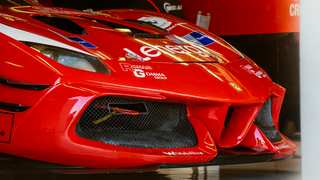
Ready to explore your options or compare the best-performing models on the market this year? Reach out to our expert team to analyze the specs and financing strategies that best fit your financial goals.