
The Strategic Architecture of Hypercar Performance: Engineering the 2026 Competitive Edge
In the high-stakes world of top-tier endurance racing, the transition from the exorbitant LMP1 era to the current Hypercar regulations has been nothing short of a financial revolution. As we move into 2026, the mandate for the FIA World Endurance Championship (WEC) remains clear: foster manufacturer participation through sustainable innovation rather than bottomless budget pits. While the initial goal was to slash costs to ten percent of the LMP1 era, the reality has settled at a more sustainable one-third. However, for manufacturers like Ferrari, this isn’t just about spending less—it’s about spending smarter.
What This Means for You: The ROI of Technical Freedom
When examining the Hypercar landscape, it is easy to view it as a mere contest of speed. For the savvy investor or motorsport stakeholder, it is a masterclass in risk management and resource allocation. The divide between Le Mans Hypercar (LMH) and Le Mans Daytona h (LMDh) isn’t just a technical nuance; it represents two distinct business models.
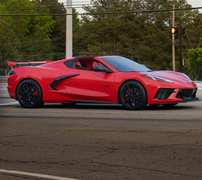
LMH manufacturers, by designing their own bespoke hybrid systems, are betting on long-term efficiency and technology transfer. LMDh manufacturers, conversely, are opting for the “off-the-shelf” reliability of the standard Bosch hybrid system. Understanding this distinction is vital. Whether you are analyzing a racing program or looking at how luxury manufacturers leverage R&D for their consumer road cars, the “best option” is rarely the one with the most raw horsepower—it is the one with the most efficient energy management.
Should You Buy, Wait, or Invest?
If you are a team principal, a sponsor, or an automotive investor assessing the 2026 market, the decision to enter or back a specific technical route requires a cold assessment of your objectives:
The Case for LMH (Bespoke Development): If your brand identity relies on technological leadership and transferring race-proven, proprietary hybrid tech to your consumer vehicle line, LMH is the superior path. It allows for deep-dive engineering, such as Ferrari’s move to a six-phase electric motor control.
The Case for LMDh (Standardization): If your primary goal is cost control and competitive parity with a lower barrier to entry, the LMDh platform is the pragmatic choice. You are essentially buying a reliable, performance-matched service that mitigates the risk of catastrophic engineering failure.
My Expert Take: I have seen countless manufacturers burn through capital trying to reinvent the wheel. In 2026, the “best” strategy for new entrants is to analyze the LMDh route for operational stability, while established powerhouses should continue to exploit the LMH regulatory freedom to gain marginal, but decisive, efficiency gains.
Best Financial Strategies Right Now (2026)
In the current economic climate, whether in racing or real-world assets, the theme is Efficiency vs. Excess.
Leverage Homologation Windows: Much like a smart investor waits for the right market cycle to refinance, manufacturers must treat their “joker” tokens (allowable design changes) as capital. Don’t spend them on incremental updates; hold them for fundamental breakthroughs that redefine your car’s competitive floor.
Optimize Energy Conversion: As Ferrari discovered, the true edge isn’t in the raw output—which is capped by the Balance of Performance (BoP)—but in the heat management and precision of the inverter. By reducing heat, you reduce cooling demand, which reduces drag and improves aero efficiency. This is a cost-effective way to find speed without adding a single unit of electrical power.
Data-Driven Asset Management: In 2026, software is the most cost-effective performance multiplier. Since hardware is locked, focus your budget on software development, specifically predictive energy deployment.
Case Study: The Cost of Ignoring Efficiency
Let’s look at two hypothetical scenarios based on 2026 market trends:
Buyer A (The Conservative Investor): Opted for an LMDh platform. Initial costs were lower, and their development curve was flat. They remained consistently in the middle of the pack. Their risk was low, but their upside—in terms of brand prestige and technical breakthrough—remained stagnant.

Buyer B (The Aggressive Strategist): Invested heavily in an LMH bespoke hybrid architecture. They faced higher initial R&D and manufacturing costs. However, they successfully pioneered a higher-efficiency inverter system. By mid-season 2026, their reduced cooling requirements allowed for a slimmer bodywork configuration, granting them a top-speed advantage that secured the Le Mans win. The ROI on their R&D spend was realized through increased sponsorship and downstream consumer interest.
The Consequence: The cost of “wrong” decisions here isn’t just a race result. It is a loss of millions in missed marketing synergy and a potential failure to innovate for the commercial market, which is the actual end goal for these manufacturers.
Mistakes to Avoid That Could Cost You Money
Chasing the BoP Ceiling: Spending millions to eke out an extra 5kW when the Balance of Performance system will simply handicap you later is a fool’s errand. Focus on reliability and drivability, not raw peak numbers.
Neglecting the “Hardware-Software” Link: Trying to separate your software team from your powertrain engineers is a recipe for disaster. The most successful teams in 2026 are those where the inverter calibration is intimately linked to the mechanical gearing.
Underestimating the Gearbox Complexity: As Ferrari’s Ferdinando Cannizzo noted, the reduction gears for a rear-mounted motor vs. a front-axle unit are distinct engineering challenges. Failing to optimize the rotational speed of the motor against the gear ratios is a massive, and expensive, oversight.
Pricing Impact and Market Reality
When we look at the pricing of performance, the gap is widening between those who rely on off-the-shelf components and those who build in-house. While an LMDh car offers a predictable price tag—usually set by the regulations to keep entry costs within reach—the “hidden” costs lie in the software iterations and the specialized personnel required to manage the hybrid cooling cycles.
If you are looking to enter the space or are simply evaluating the commercial implications of these technical trends, remember that complexity is the enemy of profit. In 2026, the teams that win are those that have streamlined their development cycles to focus on the 2% of the car that actually matters—the intersection of electric efficiency and mechanical output.
Looking Forward: How to Stay Ahead
The Hypercar class is a reflection of the global automotive industry’s push toward efficient, high-performance electrification. Whether you are following the championship as a fan or looking to understand the mechanics of the market, the shift toward precise, software-driven energy management is the defining trend of the year.
If you are currently evaluating your portfolio, whether in automotive engineering, racing investment, or tech-heavy R&D, it is time to look at where the “six-phase” level of efficiency can be applied to your own operations.
Ready to gain an edge in your own strategy? Whether you are exploring refinancing options for your business or comparing the best investment vehicles for your capital, the principles remain the same: mitigate risk, prioritize efficiency, and focus on proprietary advantages.

Click here to compare the latest financing options and investment strategies for your automotive ventures today.