
The Future of the Supercar Market: Investment, Innovation, and Strategy for 2026
The global automotive landscape is currently undergoing its most significant evolution in a century. As we look toward the 2026–2030 period, the supercar market is not merely surviving; it is transforming into a high-stakes arena where traditional mechanical artistry meets the raw power of electrification. With an expected market growth of USD 11.93 billion and a steady CAGR of 6.6%, the sector is attracting more attention from both automotive enthusiasts and sophisticated investors than ever before.
As someone who has tracked high-performance automotive trends for over a decade, I’ve watched this space shift from a “pure combustion” obsession to a complex, multi-faceted investment landscape. If you are considering buying, investing, or refinancing your current luxury portfolio, the decisions you make in 2026 will carry significant long-term financial weight.
The State of the Supercar Market in 2026
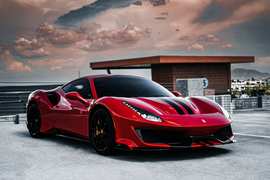
The supercar market is currently defined by a delicate balance between heritage and progress. While internal combustion engines (ICE) remain the gold standard for sensory engagement, hybrid and electric powertrains are setting new benchmarks for acceleration and torque delivery.
What This Means for You
If you are an enthusiast or an investor, the supercar market is no longer just about the badge on the hood; it is about the “investment-grade” status of the machine. Manufacturers are increasingly pushing for bespoke customization programs—turning vehicles into one-of-one assets. This customization is a double-edged sword: while it increases the exclusivity and potential resale value, it also creates significant entry barriers regarding purchase pricing and lead times.
Should You Buy, Wait, or Invest?
This is the question I am asked most often. Based on current market dynamics:
For the Collector: If you are eyeing a low-production ICE supercar, buy now. As emission regulations tighten, these naturally aspirated machines are becoming the “analog gold” of the automotive world.
For the Investor: Look toward hybrid high-performance models. They offer the best risk-vs-reward ratio, providing both the raw speed of modern tech and the collectibility of established brands.
For the Casual Buyer: If you are considering financing your purchase through home loans or leveraging existing equity via refinancing, proceed with extreme caution. The cost of ownership for modern, hyper-complex vehicles often exceeds standard maintenance projections. Ensure your cash flow isn’t tethered to volatile assets.
Best Financial Strategies Right Now (2026)
Navigating the supercar market requires more than just capital; it requires a strategy.
Prioritize Asset Liquidity: Avoid tying up all your capital in a single, non-liquid, “custom-spec” vehicle unless you have a clear exit strategy.
Understand Total Cost of Ownership (TCO): Beyond the sticker price, factor in the specialized insurance, carbon-ceramic brake replacements, and regional luxury taxes.
Leverage Professional Financing: Do not use high-interest consumer debt for these purchases. If you are utilizing mortgage rates or other secured credit lines to maintain liquidity elsewhere, ensure your debt-to-income ratio remains favorable.
Case Study: Buyer A vs. Buyer B
Buyer A purchased a limited-production hybrid supercar in 2025 using a high-interest auto loan. Due to rising maintenance costs and a shift in brand focus, the vehicle’s resale value stabilized, but the high interest rates eroded the potential profit margin upon a 2026 exit.
Buyer B invested in a “proven” naturally aspirated model from a legacy manufacturer. By utilizing a real estate investment hedge and paying cash, they protected themselves against market volatility. In 2026, the scarcity of that specific model drove its value up by 12%, resulting in a clear net gain.
Mistakes to Avoid That Could Cost You Money

Ignoring Regulatory Changes: If your local area is implementing “Zero-Emission Zone” policies, a pure-ICE supercar may become a “garage queen” that you cannot legally drive. Always research regional compliance.
Over-Customization: Over-personalizing a vehicle can limit your pool of future buyers. While you might love neon green carbon fiber, the secondary market often prefers traditional specifications.
Neglecting Insurance Comparisons: Luxury vehicle insurance pricing varies drastically based on performance ratings and safety technology. Always perform a rigorous comparison before finalizing your purchase.
Performance vs. Sustainability: The 2026 Shift
The supercar market is responding to the dual pressures of performance requirements and environmental mandates. We are seeing a move toward 800-volt charging architectures and advanced thermal management, which improve battery life during track use. From my experience, the integration of these systems is the new “selling point” that replaces the displacement-only focus of the past.
When evaluating a purchase, ask yourself: Does this vehicle utilize synthetic fuel compatibility or advanced hybrid tech? These features are currently the best hedge against future obsolescence in the supercar market.
Pricing Impact and Market Dynamics
The cost of entry remains high, but the “value” is no longer just in the engine. It is in the digital ecosystem. Modern supercars now offer over-the-air updates, performance-tuning software, and virtual ownership credentials.
While the best options for performance are currently shifting toward electrification, the pricing remains tethered to brand heritage. When you analyze the best options available, remember that European markets currently hold a 30.3% share of growth, largely due to the region’s long-standing collector culture. North America follows closely at 29.14%, driven by a mature market that values power-to-weight efficiency.
Final Expert Insights: The Path Ahead
The supercar market is becoming more exclusive and technically demanding. As we head into the later part of 2026, the most successful owners will be those who treat their vehicle acquisition as a strategic financial decision rather than an impulsive luxury spend.
Risk management is key. Before signing the dotted line, ensure you have reviewed your home loans or refinancing options to ensure your overall net worth remains protected. The goal is to enjoy the unparalleled engineering of these machines while ensuring that your portfolio stays as high-performing as the engine in your driveway.
Whether you are looking to secure a future classic or want to understand how shifting mortgage rates and global economic trends affect your luxury purchasing power, now is the time to gather the facts.

Are you ready to optimize your portfolio? Compare your financing options today, check current luxury vehicle market rates, and explore the best solutions for your next high-performance investment.